

The Gambler's Fallacy
One of the most pervasive myths in gambling is the gambler's fallacy, which suggests that past events influence future outcomes. Many believe that if a certain number hasn't come up in a while, it is "due" to appear. This misunderstanding often leads players to make irrational bets based on their belief that luck will balance out over time. It's essential for gamblers to recognize that understanding this concept is crucial for developing a responsible gambling strategy, which can greatly enhance their experience alongside the best online poker real money.
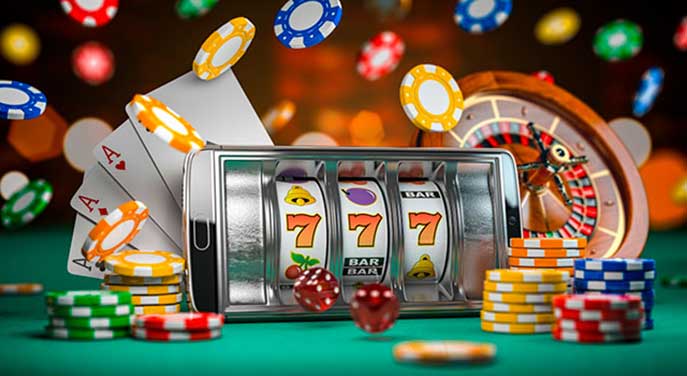
In reality, each spin of a slot machine or roll of a die is independent of previous results. Games of chance operate on probabilities, meaning that the odds remain constant regardless of what has happened in the past.
Another common myth is that all gambling activities rely solely on luck. While games like slots and roulette are purely chance-based, many card games require a significant level of skill. Poker, for example, is a game where knowledge, strategy, and psychological tactics play vital roles.
By acknowledging the difference between luck and skill, players can better choose which games to engage in and how to approach their gambling habits. Investing time in improving skills can lead to more informed decisions and a more enjoyable experience overall.
The “Hot” and “Cold” Streaks
Players often fall into the trap of believing in "hot" and "cold" streaks, where they assume that a table or machine is on a winning or losing streak. This perception can lead to chasing losses or becoming overly confident during wins. Such beliefs can distort a player's judgment and lead to poor gambling choices.
Understanding that outcomes are random can help players resist the temptation to chase streaks. This knowledge fosters more rational decision-making, encouraging individuals to approach their gaming sessions with a clearer mindset and a stronger grasp of reality.
The House Always Wins
While it is true that casinos have an edge, the notion that "the house always wins" can be misleading. This myth suggests that players are always doomed to lose, which can deter people from participating in games they might enjoy. In fact, many players do win and enjoy considerable payouts.
It's essential to realize that while the odds are generally in favor of the house, responsible gambling can lead to a positive experience. Setting limits and understanding the odds of each game can enhance enjoyment and minimize potential losses.

Ensuring Safe and Responsible Gambling
In an era where online gambling is increasingly popular, understanding the truth behind gambling myths is vital. Awareness promotes responsible gambling practices, ensuring that individuals can enjoy their experience without falling prey to common misconceptions.
By educating oneself about the realities of gambling, players can make informed choices that enhance their enjoyment while minimizing risks. It’s important to approach gambling as a form of entertainment and to seek support if gambling behaviors become problematic.
```